AI and Creativity: Can Machines Actually Make Art?
AI and Creativity: Can Machines Actually Make Art?
A painting generated by Midjourney sells for thousands. An AI-composed song gets millions of streams. A novel co-written with Claude gets published by a major house. An AI-designed building wins an architecture award.
Is this creativity? Or is it something else entirely?
This question matters -- not just philosophically, but practically. The answer shapes copyright law, artistic markets, education, and our understanding of what makes us human.
What AI Can Create (Right Now)
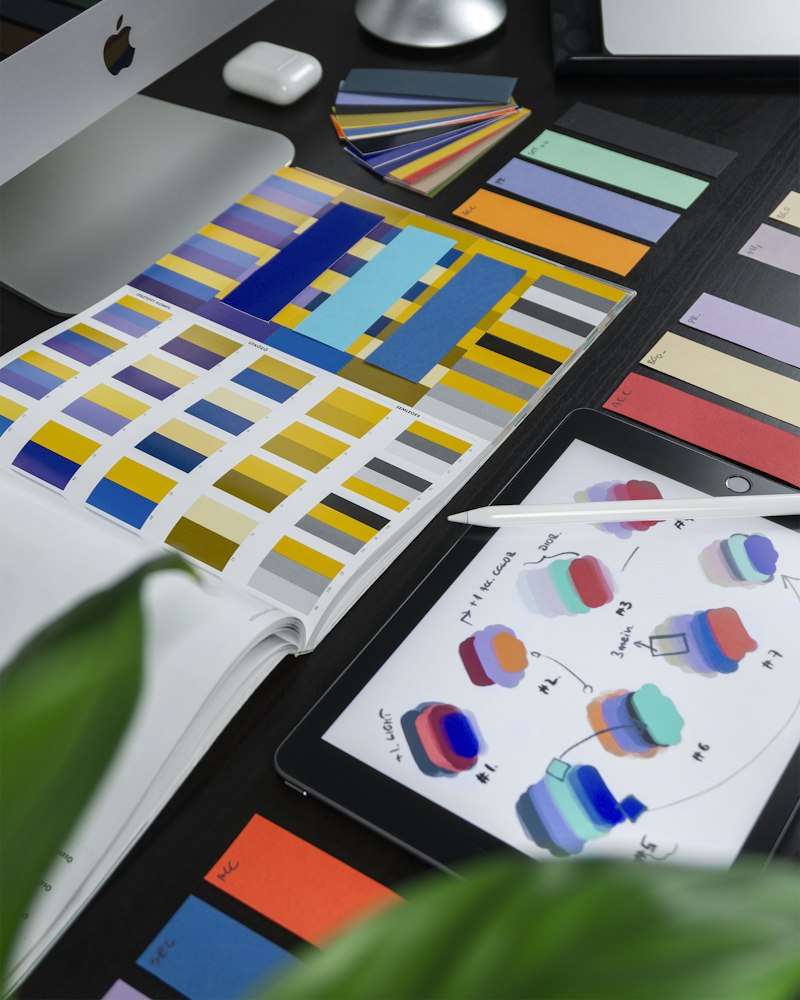
Gallery wall displaying various AI-generated artworks in different styles, from photorealistic landscapes to abstract compositions
Visual Art
AI image generators (Midjourney, DALL-E, Stable Diffusion) can produce:
- •Photorealistic images indistinguishable from photographs
- •Paintings in any historical art style (Impressionist, Baroque, Ukiyo-e, Art Deco)
- •Original character designs and concept art
- •Architectural visualizations and interior designs
- •Abstract compositions and generative art
The quality is stunning. A skilled prompter can produce images that rival professional artists in technical execution.
Music
AI music tools (Suno, Udio, AIVA) can:
- •Compose full songs with vocals, instruments, and production
- •Work in any genre from classical to hip-hop to electronic
- •Generate background music for videos, games, and podcasts
- •Create variations and remixes of existing musical ideas
- •Produce professional-quality audio in seconds
Writing
Large language models can:
- •Write poetry that is indistinguishable from human poetry in blind tests
- •Draft novels, screenplays, and short stories with coherent plots
- •Compose marketing copy, blog posts, and journalism
- •Generate humor, satire, and wordplay
- •Translate creative works while preserving tone and style
Other Domains
- •Film: AI generates storyboards, edits footage, creates visual effects
- •Fashion: AI designs clothing, predicts trends, generates patterns
- •Architecture: AI creates building designs optimized for aesthetics, function, and sustainability
- •Game Design: AI generates levels, characters, narratives, and game mechanics
The Creativity Debate
Is any of this actually creative? There are three main positions:
Position 1: "AI Is Creative"
The argument:
- •Creativity is the production of novel, valuable outputs. AI produces novel, valuable outputs. Therefore, AI is creative.
- •We do not fully understand human creativity either. We have no evidence that human creativity is anything more than complex pattern recombination -- which is exactly what AI does.
- •Some AI outputs surprise even their creators. If unpredictability and novelty define creativity, AI qualifies.
The problem: This defines creativity so broadly that a slot machine producing an unusual combination is "creative." Most people feel creativity involves something more -- intention, emotion, meaning.
Position 2: "AI Is Not Creative"
The argument:
- •AI has no understanding of what it creates. It does not know what beauty, sadness, or humor are.
- •AI cannot have the lived experiences that fuel human creativity -- heartbreak, wonder, fear, joy.
- •AI optimizes for patterns in training data. It cannot truly innovate or break rules meaningfully because it does not understand the rules.
- •Creativity requires consciousness, and AI is not conscious.
The problem: We cannot prove consciousness is necessary for creativity. And some human creativity also involves unconscious processes that creators do not fully understand.
Position 3: "It Is a New Category" (Most Useful)
The argument:
- •AI art is neither human creativity nor meaningless output. It is a new category of creation: machine-assisted or machine-generated art.
- •Just as photography created a new category distinct from painting (despite initial resistance), AI art creates a category distinct from both traditional art and craft.
- •The creativity lies in the collaboration between human and machine -- the human provides vision, context, and selection; the machine provides execution and variation.
How Artists Are Actually Using AI
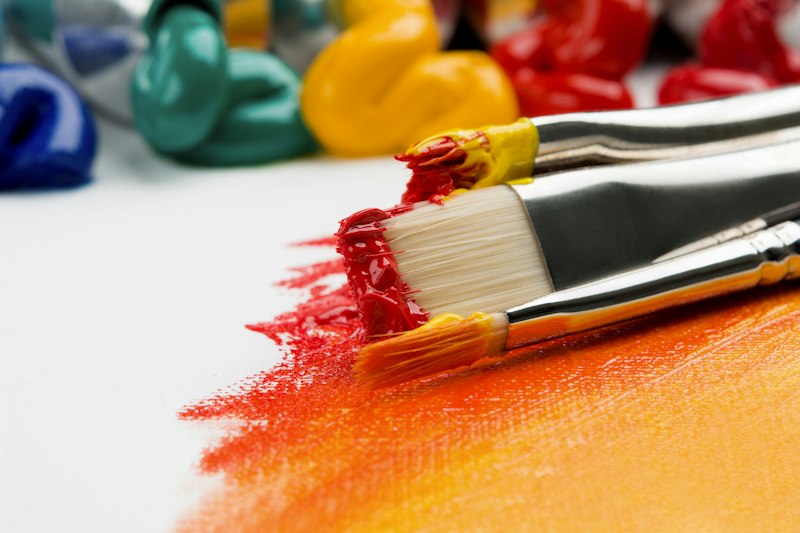
Artist working at a digital workstation, combining AI-generated elements with hand-drawn illustrations to create a hybrid artwork
The most interesting developments are not AI replacing artists -- they are artists using AI as a tool.
AI as Brainstorming Partner
- •Generate 100 variations of an idea in minutes, then develop the best ones by hand
- •Explore styles and combinations you would never have thought to try
- •Break creative blocks by seeing unexpected directions
AI as Production Accelerator
- •Concept artists use AI for rough drafts that they refine and paint over
- •Musicians use AI to generate backing tracks that they customize and produce
- •Writers use AI to draft outlines and explore plot directions before writing the actual prose
AI as a New Medium
Some artists are embracing AI as their primary medium:
- •Refik Anadol creates massive data-driven art installations using AI to transform datasets into immersive visual experiences
- •Holly Herndon uses AI trained on her own voice to create musical performances that blur the line between human and machine
- •Memo Akten creates AI art that explores perception, consciousness, and the nature of intelligence itself
The Workflow
A typical AI-assisted creative workflow in 2026:
| Step | Human | AI |
| --- | --- | --- |
| Concept | Define the vision, mood, message | -- |
| Exploration | Write prompts, provide references | Generate variations |
| Selection | Choose the best directions | -- |
| Refinement | Edit, combine, adjust | Extend, upscale, iterate |
| Polish | Final touches, context, meaning | Technical execution |
| Presentation | Curation, framing, storytelling | -- |
The human provides the "why." The AI accelerates the "how."
What This Means for Human Creativity
The Optimistic View
- •AI democratizes creative tools. You do not need 10 years of technical training to visualize an idea. More people can participate in creative expression
- •AI handles the tedious parts of creation (backgrounds, variations, formatting), freeing humans for the interesting parts (concepts, meaning, emotion)
- •New art forms emerge that were impossible before -- interactive, generative, personalized
- •The bar for "good enough" technical execution drops to zero, making originality and vision the true differentiators
The Concerning View
- •If AI can produce "good enough" art instantly and cheaply, there is less economic incentive to develop human artistic skills
- •Flooding the world with AI content makes it harder for human artists to get attention
- •Art that requires no effort to create may be valued less, even if it looks the same
- •The process of creating art -- the struggle, the growth, the expression -- has intrinsic value that AI-generated art lacks
The Most Likely Reality
Both are true simultaneously. AI will make some types of creative work less valued (stock imagery, generic music, template design) while making other types more valued (original vision, emotional authenticity, human story).
The artists who thrive will be those who use AI to amplify their unique perspective, not those who try to compete with AI on execution speed.
The Big Questions
Thinker statue silhouetted against a digital art display, juxtaposing classical and AI-generated creativity
Does art need to be made by humans to be meaningful?
If you are moved by a poem and then learn it was written by AI, does it become less meaningful? Psychologically, research shows that most people value art less when they learn it is AI-generated -- even if they could not tell the difference before. This suggests we value the human story behind art, not just the art itself.
What happens to art education?
If AI can produce professional-quality art, why spend years learning technique? Because technique is not the point of art education -- it is learning to see, think, and express. These skills become more valuable, not less, in an AI world.
Is curation a form of creativity?
If you spend hours refining prompts, selecting from hundreds of outputs, editing, combining, and presenting AI art -- is that creative work? Most working artists would say yes. The skill shifts from execution to direction and selection.
Where do we draw the line?
- •A photographer selects a moment from reality -- creative
- •A collage artist combines existing images -- creative
- •A DJ remixes existing music -- creative
- •A person selects and presents AI outputs -- creative?
The line is blurry, and it always has been. AI just makes the blur more obvious.
The Future of Creativity
The most important thing to understand is this: AI does not make human creativity less important. It makes it more important.
When anyone can generate technically competent art, the differentiators become:
- •Original perspective -- what only you can see
- •Emotional authenticity -- what only you have felt
- •Cultural context -- what only your experience can bring
- •Intentional meaning -- what you are trying to say and why
- •Curatorial taste -- knowing what is good, not just what is possible
These are deeply human qualities. AI can simulate them, but it cannot originate them. The future of creativity is not human versus machine. It is human with machine -- directed by human vision, amplified by machine capability.
The question is not "can machines make art?" The question is "what kind of art do we want to make, and how can machines help us make it?"