AI Generated Art: The Ethics, Copyright, and Future of Creative AI
AI Generated Art: The Ethics, Copyright, and Future of Creative AI
AI image generators like Midjourney, DALL-E, and Stable Diffusion have created a storm in the creative world. Artists are angry. Companies are excited. Lawyers are busy. And everyone has an opinion.
But beyond the hot takes and social media arguments, there are real questions that need thoughtful answers. Let us look at the key issues.
The Copyright Question
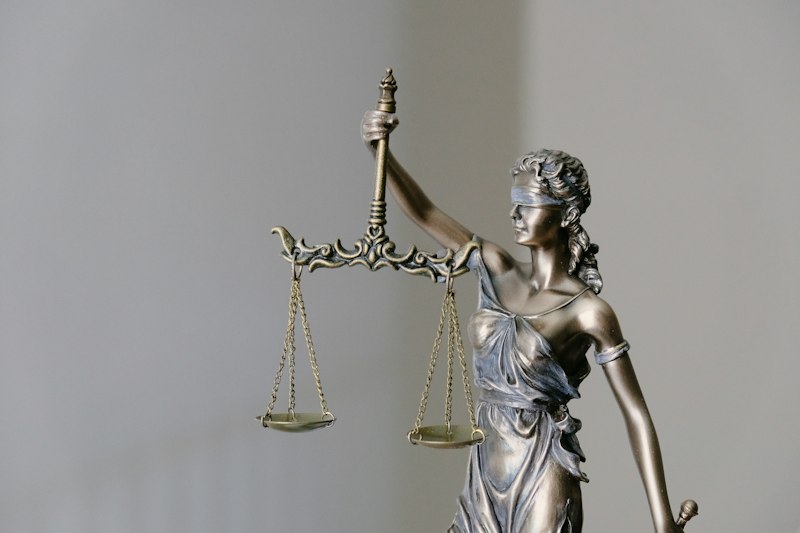
Scales of justice with an AI-generated painting on one side and a human artist's palette on the other
Who Owns AI-Generated Images?
The legal landscape is still evolving, but here is where things stand:
In the United States:
- •The US Copyright Office has ruled that AI-generated images without significant human creative input cannot be copyrighted
- •However, if a human provides substantial creative direction (detailed prompts, post-processing, curation), some level of copyright protection may apply
- •The key test is "human authorship" -- the AI itself cannot be an author
In the European Union:
- •Similar principles apply under EU copyright law
- •The AI Act adds requirements for transparency about AI-generated content
In practice:
- •If you generate an image with a simple prompt, you likely cannot copyright it
- •If you use AI as one tool in a larger creative process (generating, selecting, editing, composing), you have a stronger claim
- •Commercial use of AI-generated images is currently legal but risky, as lawsuits are still pending
The Training Data Debate
This is where things get heated.
How AI Image Models Are Trained
AI image generators learn by studying millions (sometimes billions) of images scraped from the internet. This includes:
- •Professional artwork from artist portfolios
- •Stock photos
- •Social media posts
- •Book illustrations
- •Museum archives
The models learn patterns, styles, compositions, and concepts from this data. They do not store or copy images directly -- but they can generate images that strongly resemble specific artists' styles.
The Artist Perspective
Many artists argue:
- •Their work was used without consent or compensation
- •AI can replicate their unique style, undermining their livelihood
- •"Learning from" and "copying" become indistinguishable when a machine can produce unlimited images in someone's style
- •The power imbalance is unfair -- artists cannot opt out after their work has already been scraped
The Technology Perspective
AI companies and supporters argue:
- •Learning from existing works is how all artists develop (humans study others' art too)
- •AI models do not store or reproduce training images
- •AI art is a new creative tool, not a replacement for human artists
- •Restricting AI training data could stifle innovation
Where We Actually Are
Several major lawsuits are working through courts in 2026:
- •Class-action suits against Stability AI, Midjourney, and others
- •Individual artist suits over specific style replication
- •Stock photo company suits over commercial training data use
No definitive rulings yet, but the outcomes will shape the entire industry.
The Ethics Beyond Law
Human hand and robotic hand both holding paintbrushes, painting on the same canvas
Legal questions are important, but ethics go further:
Is It Ethical to Use AI Art?
It depends on how you use it:
- •Personal use and exploration: Generally considered fine. Using AI to explore ideas, create moodboards, or just have fun is like using any other tool.
- •Commercial use replacing artists: This is where ethical concerns are strongest. Using AI to avoid hiring an artist for work they could do devalues human creativity.
- •Commercial use alongside artists: Using AI for rough drafts, concepts, or iteration while hiring artists for final work is increasingly seen as a reasonable middle ground.
- •Claiming AI art as hand-made: Universally considered unethical. Transparency about AI involvement is important.
The Impact on Working Artists
The real impact varies by sector:
| Sector | AI Impact | Status |
| --- | --- | --- |
| Stock photography | High -- AI can generate generic images cheaper | Declining demand for basic stock |
| Concept art | Medium -- AI speeds up ideation but humans refine | Changing workflows, not eliminating jobs |
| Illustration | Medium -- AI handles simple work, humans handle complex | Some job displacement at entry level |
| Fine art | Low -- collectors value human creation | Minimal direct impact |
| Graphic design | High -- AI handles layouts, templates, variations | Designers becoming AI directors |
| Photography | Low-Medium -- AI can generate, but real photos have value | Documentary and journalism unaffected |
What Good AI Art Ethics Look Like
Based on the current landscape, here are principles that most reasonable people can agree on:
- 1Transparency. If AI was used in creating an image, say so. Do not pass off AI work as entirely human-made.
- 1Credit and compensation. As opt-in training data models emerge, support platforms that compensate artists whose work trains AI.
- 1Do not replicate specific artists. Prompting "in the style of [living artist]" to avoid hiring them is ethically questionable even if it is legal.
- 1Use AI as a tool, not a replacement. The best outcomes come from human creativity enhanced by AI, not human creativity eliminated by AI.
- 1Support artists directly. If you benefit from AI art, also support the human artists whose collective work made it possible.
The Future of Creative AI
What Is Coming
- •Opt-in training data. Companies are building models trained only on licensed or consented data. Adobe Firefly was early here; others are following.
- •AI-assisted (not AI-replaced) workflows. The tools are evolving toward collaboration: AI generates options, humans select, refine, and direct.
- •New art forms. Just as photography did not kill painting, AI will create new forms of creative expression that we cannot predict yet.
- •Better attribution. Technical solutions for tracking AI-generated content are improving (watermarking, metadata standards).
A Balanced View
The most productive path forward is not "ban AI art" or "AI will replace all artists." It is:
- •Artists deserve fair compensation when their work trains commercial AI
- •AI tools are legitimate creative instruments when used ethically
- •Transparency about AI involvement should be standard
- •New business models will emerge that benefit both AI companies and artists
The technology is not going away. The question is whether we build a creative ecosystem that is fair and sustainable for everyone -- human and machine alike.
> Want to try AI image generation yourself? Read our comparison: AI Image Generators Compared -- Which One Should You Use in 2026?